


-

Add: HeBei ShengShi HongBang Cellulose Technology CO.,LTD.
-

Email
13180486930@163.com -

CONTACT US
+86 13180486930




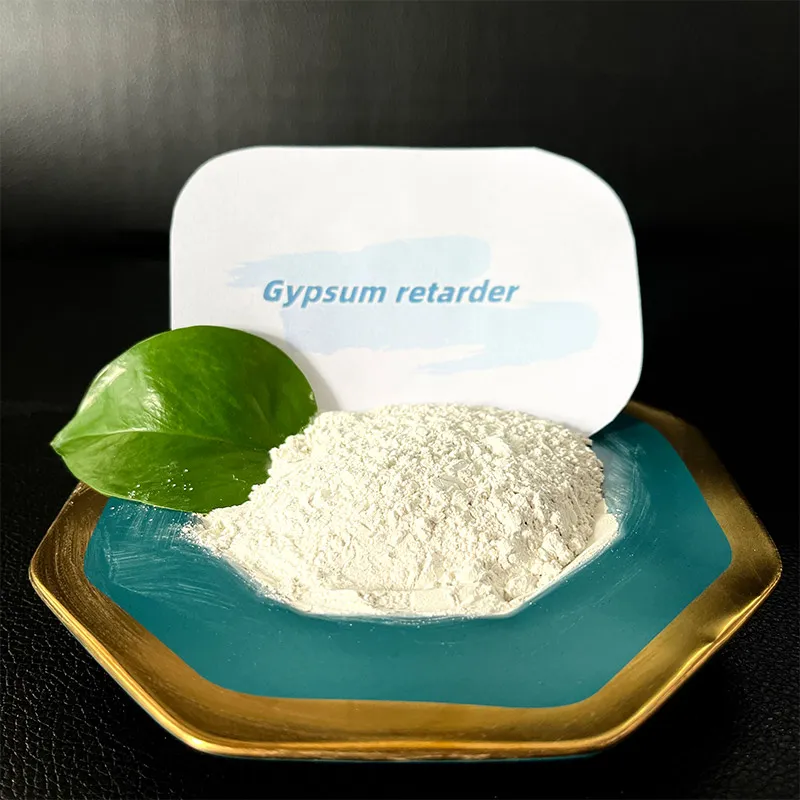
Understanding Gypsum Retarders in Modern Construction In the dynamic landscape of modern construction, efficiency and performance are paramount. Among the myriad of chemical additives that enhance building materials, the plaster retarder stands out as a critical component, specifically engineered to extend the setting time of gypsum-based products. This specialized chemical additive is indispensable for applications requiring prolonged workability, such as large-scale plastering projects, intricate decorative work, or the manufacturing of gypsum boards and blocks. By precisely controlling the hydration process of calcium sulfate hemihydrate, which is the primary component of gypsum, these retarders allow for greater flexibility during application, ensuring a smoother finish and reducing material waste. The precise formulation of a gypsum retarder chemical is crucial, as it directly influences factors like initial setting time, final setting time, and the overall mechanical properties of the cured plaster. Professionals in the construction sector, from architects to site managers and material scientists, increasingly recognize the profound impact that a well-chosen gypsum retarder can have on project timelines, labor costs, and the ultimate quality of the finished structure. Its role is not merely to delay setting but to optimize the entire application process, making it more manageable and predictable. This article delves into the technical intricacies, application benefits, and strategic importance of these essential additives in today's building industry, providing insights vital for B2B decision-makers. The Manufacturing Process of Gypsum Retarders The production of a high-quality gypsum retarder is a sophisticated chemical engineering process that demands precision and stringent quality control. Unlike industrial components that undergo casting or CNC machining, chemical additives like plaster retarders are synthesized through a series of controlled reactions and physical processing steps. The primary raw materials typically include organic acids, salts, or proteins, which are carefully selected for their ability to interfere with gypsum's hydration kinetics. The manufacturing journey begins with the meticulous procurement and pre-treatment of these raw materials, ensuring their purity and consistency, often adhering to international standards like ISO 9001 for quality management systems. Following this, the core process involves precise blending and reaction of these components in a controlled environment, often at specific temperatures and pressures, to form the active retarding agent. This phase is critical to achieve the desired molecular structure and efficacy. After the reaction, the resultant liquid or paste is typically subjected to drying processes, such as spray drying or fluidized bed drying, to convert it into a fine powder. This ensures ease of handling, stable storage, and uniform dispersion in gypsum formulations. The dried material then undergoes milling and sieving to achieve a consistent particle size distribution, a crucial factor influencing its dissolution rate and retarding efficiency. Each batch is rigorously tested against established performance benchmarks, including analysis of purity, pH, moisture content, and, most importantly, its actual retarding effect on gypsum slurries, often measured using Vicat apparatus according to standards like EN 13279. This comprehensive quality assurance protocol ensures that every kilogram of plaster retarder meets the highest industry specifications, offering reliable performance for its intended application in the construction sector, particularly in the production of gypsum plasters and boards, where controlled setting times are vital for large-scale operations and complex installations. Technical Specifications and Performance Parameters Selecting the appropriate gypsum plaster retarder requires a deep understanding of its technical parameters and how they translate into application performance. Key specifications typically include chemical composition, purity, pH value, moisture content, and particle size distribution. However, the most critical performance indicators revolve around its impact on gypsum's setting characteristics: initial setting time extension and final setting time extension. These are directly influenced by the retarder's dosage and the specific gypsum formulation. A highly efficient retarder allows for a lower dosage to achieve the desired extension, thereby reducing material costs and ensuring the cured plaster maintains optimal strength and durability. Manufacturers often provide detailed data sheets outlining these parameters, alongside recommended dosage ranges for various gypsum types and desired setting profiles. For instance, a premium gypsum retarder chemical might extend the initial setting time from a typical 5-10 minutes (for pure gypsum) to 30-60 minutes, or even several hours, depending on the concentration. This extended workability is crucial for large areas or when intricate details need to be sculpted. Furthermore, a high-quality retarder should not adversely affect the final strength development of the plaster or introduce undesirable side effects like efflorescence or reduced adhesion. Compatibility with other additives, such as superplasticizers or air-entraining agents, is also a vital consideration, ensuring synergistic performance in complex formulations. Below is a typical data table illustrating key parameters for a leading gypsum retarder, showcasing how precise specifications contribute to predictable and superior performance in diverse construction applications. Typical Technical Parameters of High-Performance Gypsum Retarder Parameter Unit Typical Value Test Method / Standard Appearance - White to Off-white Powder Visual Inspection Purity % ≥ 98.0 HPLC pH (1% solution) - 6.0 - 8.0 ASTM E70 Moisture Content % ≤ 2.0 Karl Fischer Titration Particle Size (200 mesh pass) % ≥ 99.0 Sieve Analysis Initial Setting Time Extension (0.05% dosage) Minutes 30-60 (on standard gypsum) EN 13279 (Vicat) Final Setting Time Extension (0.05% dosage) Minutes 60-120 (on standard gypsum) EN 13279 (Vicat) Application Scenarios and Strategic Advantages The versatility of an extra time plaster additive makes it indispensable across a wide spectrum of construction applications, particularly those involving gypsum-based materials. In manual plastering, for example, the extended working time provided by a plaster retarder is critical. It allows plasterers to apply and finish large wall or ceiling areas without the risk of the material setting prematurely, which significantly reduces material waste and rework. This leads to substantial cost savings and improved labor efficiency on site. For the manufacturing of prefabricated gypsum products like plasterboards, gypsum blocks, or ceiling tiles, retarders enable continuous production lines by providing a controlled setting rate, ensuring consistent product quality and throughput. Without this precise control, production stoppages due to premature setting or inconsistencies in material flow would be frequent, impacting profitability. Beyond traditional plastering, gypsum retarder chemicals are vital in specialized applications such as gypsum-based self-leveling compounds, where a longer flow time is necessary for proper leveling before hardening. They are also crucial in dental gypsum and artistic plasterwork, where intricate details and extended manipulation times are paramount. The core advantage across all these scenarios is enhanced workability and flexibility, which translates into superior finish quality, reduced labor time, and optimized material usage. Furthermore, the ability to tailor the setting time allows manufacturers and contractors to adapt their gypsum formulations to varying ambient temperatures and humidity levels, ensuring consistent performance irrespective of environmental conditions. This adaptability is a significant competitive edge in global construction markets, where projects face diverse climatic challenges. By leveraging advanced plaster retarder technologies, companies can deliver high-quality, durable, and aesthetically pleasing gypsum applications, driving customer satisfaction and project success. Market Trends, Custom Solutions, and Case Studies The market for gypsum retarder is constantly evolving, driven by demands for greater sustainability, enhanced performance, and cost-efficiency. Current trends indicate a shift towards more eco-friendly formulations, including biodegradable and low-VOC (Volatile Organic Compound) options, aligning with global green building initiatives. Furthermore, there's increasing demand for highly efficient retarders that offer significant setting time extension at lower dosages, minimizing the additive's impact on the overall gypsum matrix while maximizing its economic benefit. This focus on efficiency and environmental responsibility is reshaping research and development efforts across leading manufacturers. While direct manufacturer comparisons are complex due to proprietary formulations, discerning buyers often evaluate suppliers based on their product consistency, technical support, ability to offer customized solutions, and adherence to international quality and environmental standards. Recognizing that "one size fits all" rarely applies in the diverse construction industry, reputable suppliers of plaster retarder often provide extensive customization services. This involves tailoring the chemical composition and dosage recommendations to perfectly match a client's specific gypsum source, desired setting profile, application method (e.g., manual vs. machine spray), and climatic conditions. For example, a client developing a specific type of rapid-setting gypsum-based self-leveling compound might require an extra time plaster additive with a very precise and predictable delay mechanism, optimized for high flowability and subsequent rapid hardening. Through collaborative R&D and pilot testing, manufacturers can develop bespoke solutions that unlock new levels of performance and cost-effectiveness for their clients. A notable case study involved a major European plasterboard manufacturer that, by partnering with a specialized retarder supplier, optimized their production line, reducing setting variations by 15% and increasing overall throughput by 10%, directly translating to significant operational savings and improved product quality consistency across their global facilities. This underscores the value of expert partnership in additive chemistry. Ensuring Trust and Authority: Our Commitment to Quality and Support In the B2B chemical additives market, trust and authority are built on a foundation of consistent quality, robust technical support, and transparent processes. As a leading provider of gypsum retarder chemicals , our commitment extends beyond merely supplying products; we strive to be a reliable partner in our clients' success. Our manufacturing facilities adhere to stringent ISO 9001:2015 quality management systems, ensuring every batch of plaster retarder meets predefined specifications through comprehensive testing protocols. This meticulous approach to quality control guarantees product consistency, a critical factor for manufacturers relying on precise setting times for their gypsum-based products. Our service history spanning over a decade, combined with a portfolio of successful partnerships with major construction material producers worldwide, exemplifies our proven track record and deep industry expertise. We understand that timely delivery and responsive support are paramount for B2B operations. Our typical delivery cycle for standard orders is 7-14 business days, with expedited options available for urgent requirements, ensuring minimal disruption to our clients' production schedules. Each shipment is accompanied by a Certificate of Analysis (CoA) and Material Safety Data Sheet (MSDS), providing complete transparency on product specifications and handling guidelines. Furthermore, our products come with a comprehensive quality assurance pledge, guaranteeing performance as per technical data sheets when stored and used according to recommendations. Our dedicated technical support team comprises experienced chemical engineers and application specialists who are readily available to assist with product selection, dosage optimization, troubleshooting, and custom formulation development. We also maintain a robust R&D department continuously exploring innovative solutions, including advanced extra time plaster additive variants to address emerging industry needs and environmental regulations. Frequently Asked Questions (FAQ) Q: What is the recommended dosage for your gypsum retarder? A: The optimal dosage varies depending on the type of gypsum, desired setting time, and environmental conditions. Generally, it ranges from 0.01% to 0.1% by weight of gypsum. We recommend conducting preliminary trials or consulting our technical team for precise recommendations tailored to your specific application. Q: How should gypsum retarders be stored? A: Our plaster retarder products should be stored in a cool, dry place, away from direct sunlight and moisture, in tightly sealed original packaging. Proper storage ensures product stability and preserves its efficacy for the stated shelf life, typically 12-24 months from the date of manufacture. Q: Are your gypsum retarders compatible with other additives? A: Yes, our retarders are generally compatible with most common gypsum additives like superplasticizers, air-entraining agents, and fibers. However, specific formulations may interact differently. We advise conducting compatibility tests or consulting our technical experts for complex additive systems to ensure optimal performance without adverse effects. References Mindess, S., Young, J. F., & Darwin, D. (2003). Concrete. Prentice Hall. (General reference for concrete/cementitious materials, concepts apply to hydration kinetics). Hewlett, P. C. (Ed.). (2004). Lea's Chemistry of Cement and Concrete. Butterworth-Heinemann. (Specialized text on cement chemistry, relevant to gypsum hydration mechanisms). European Standard EN 13279: Gypsum binders and gypsum plaster. Definitions, requirements and test methods. (Industry standard for testing gypsum products). Standard Practice for pH of Aqueous Solutions with the Glass Electrode, ASTM E70-19. (Method for pH measurement relevant to chemical additives). ISO 9001:2015 Quality management systems – Requirements. (International standard for quality management in manufacturing).
- 40000tons

Production
- 20+years

Experience
- 5000+㎡

Acreage

-

In today’s age of sustainable manufacturing and eco-conscious innovation, wood cellulose has gained immense relevance across diverse industries. Extracted primarily from plant cell walls, wood cellulose fiber stands out as a natural polymer known for its strength, flexibility, and biodegradability. From construction to textiles, and even personal care, this organic material is changing the way manufacturers approach product performance and environmental impact. Unlike synthetic fibers, wood cellulose is renewable, making it a cornerstone in the evolution of green materials. Its unique chemical structure gives it superior compatibility with other natural and synthetic materials, allowing wide-ranging applications without sacrificing quality or performance. Industries now rely on wood cellulose fiber as a cost-effective, eco-friendly alternative in formulations such as plasterboard, adhesives, coatings, personal hygiene items, and building materials. Because it can absorb and retain water while offering excellent reinforcement, its use is both economical and technically valuable. Understanding the Role of Xylem Fiber in Wood Cellulose Production The source of wood cellulose lies deep within plant structures, particularly in what is known as xylem fiber . These fibers are the water-conducting vessels of vascular plants and form the bulk of wood matter. Xylem fiber is rich in cellulose, and once processed, yields high-purity wood cellulose fiber suitable for commercial use. Harvesting and refining xylem fiber involves a meticulous process that removes lignin and other non-cellulosic components. This results in a product with increased whiteness, flexibility, and hydrophilic properties, making it ideal for industrial applications. Whether used in dry-mix mortars or daily chemical products, this purified wood cellulose enhances workability, improves consistency, and ensures thermal stability. As more manufacturers strive to balance performance with sustainability, xylem fiber continues to demonstrate its superior efficiency and ecological advantage. Its use reinforces the global trend toward adopting plant-derived solutions over petrochemical-based alternatives. The Difference Between Sawdust and Wood Cellulose You Should Know One of the most common misconceptions is the difference between sawdust and wood cellulose . While both originate from wood, they differ significantly in composition, processing, and end-use. Sawdust is the coarse byproduct of mechanical woodworking, consisting mainly of wood particles, bark, and possibly contaminants. In contrast, wood cellulose is refined, purified, and chemically processed to isolate the cellulose fibers from lignin and hemicellulose. Understanding the difference between sawdust and wood cellulose is critical when selecting materials for manufacturing or formulation purposes. Sawdust cannot provide the uniformity, solubility, or performance-enhancing properties that wood cellulose fiber offers. The latter is tailored to specific applications like enhancing viscosity in adhesives or acting as a binder in construction materials. When purity and performance matter, wood cellulose is the superior choice. It undergoes rigorous chemical treatment and screening to ensure the material's consistency, safety, and functionality across all use cases, something sawdust simply cannot match. Why Wood Cellulose Fiber Is Dominating the Industrial Market From construction to personal care, the dominance of wood cellulose fiber in modern industry cannot be overstated. Thanks to its unique properties—such as moisture retention, film-forming ability, and thermal insulation—it is preferred in numerous applications ranging from cementitious products to cosmetic creams. In the building industry, wood cellulose fiber improves the workability and adhesion of mortar and plaster. In daily chemical goods, its thickening and stabilizing properties enhance the feel and shelf life of products. Its biodegradability also ensures that products made with wood cellulose fiber leave minimal environmental footprint, aligning with today’s green production goals. Moreover, wood cellulose is highly compatible with other substances like starch ether and HPMC, commonly used in dry-mix systems. This makes it an irreplaceable additive in tile adhesives, wall putty, and EIFS (external insulation and finish systems). Its natural origin and performance advantages give it an edge over synthetic alternatives. Applications and Market Outlook for Wood Cellulose and Xylem Fiber The global demand for wood cellulose and xylem fiber continues to rise, driven by increasing emphasis on eco-friendly materials and biodegradable solutions. Industries are leveraging these fibers to meet sustainability standards while enhancing product quality. In paper manufacturing, wood cellulose fiber is the primary raw material used to achieve high whiteness and printability. In agriculture, it serves as a soil conditioner that retains water and improves aeration. The paint and coatings industry uses it to stabilize emulsions and improve spreadability. Even in personal care products, wood cellulose finds its place as a thickening agent in lotions, shampoos, and toothpaste. Thanks to its versatility and eco-benefits, wood cellulose is expected to remain a critical material in green technologies. Companies investing in high-purity xylem fiber sourcing and innovative processing methods are likely to gain a significant market advantage in the coming years. Xylem fiber FAQs What is the main difference between wood cellulose and xylem fiber? Xylem fiber is the structural component of vascular plants responsible for transporting water, whereas wood cellulose is a processed derivative of these fibers. The cellulose is extracted from xylem fiber through chemical and mechanical processing to yield a purified product used in industrial applications. Can wood cellulose replace synthetic polymers in industrial use? Yes, wood cellulose fiber can effectively replace many synthetic polymers, especially in applications that require biodegradability, moisture retention, or thickening. It offers comparable performance with a much lower environmental impact, making it ideal for green manufacturing. Is there any overlap between sawdust and wood cellulose in use? Not really. While both come from wood, sawdust is a raw byproduct used mainly for low-grade applications like animal bedding or fuel. Wood cellulose , on the other hand, is chemically refined for high-performance industrial applications, making them fundamentally different in quality and use. How is wood cellulose used in construction materials? In the construction industry, wood cellulose fiber is added to dry-mix mortar, tile adhesives, and plasters to enhance workability, water retention, and bonding strength. It improves the rheological properties of the mixture, resulting in smoother application and longer open time. Why is wood cellulose considered environmentally friendly? Wood cellulose is biodegradable, renewable, and derived from natural sources. Unlike petroleum-based materials, it decomposes safely in the environment and does not contribute to long-term pollution. Its use supports sustainable industrial practices and reduces carbon footprint.
-
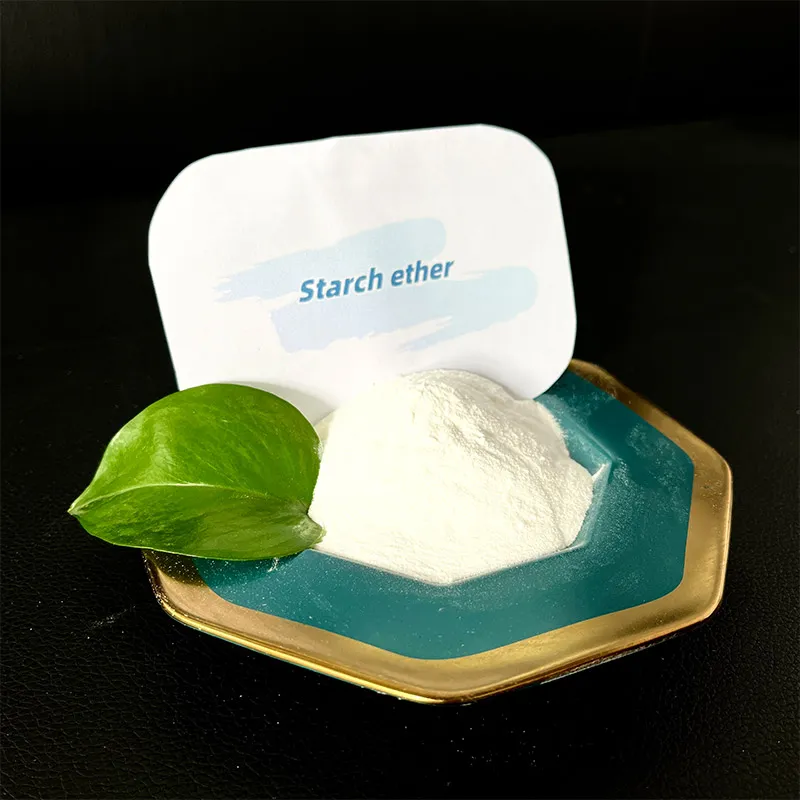
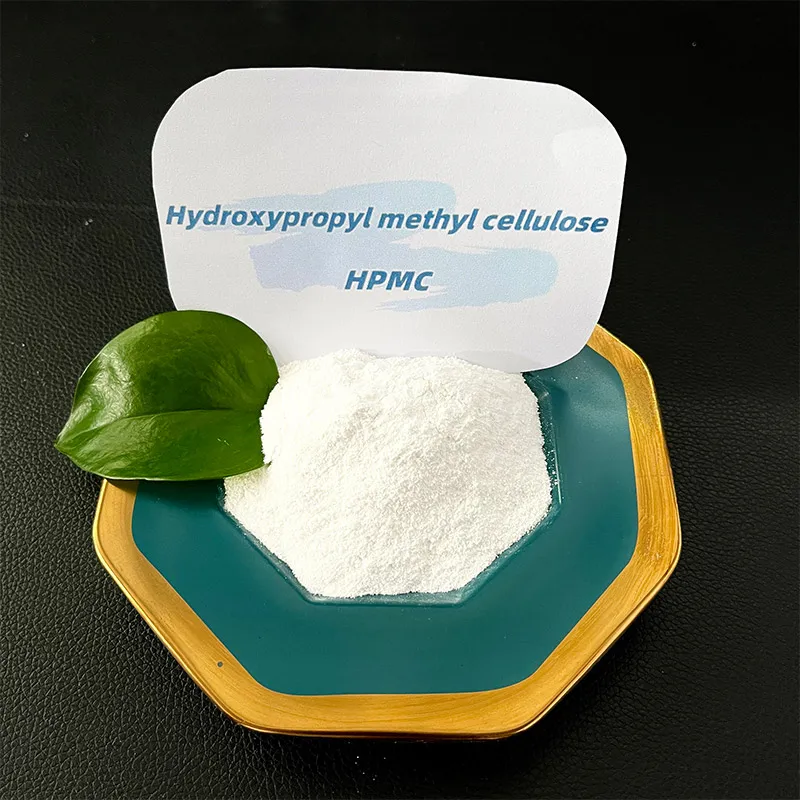
Hydroxypropyl methylcellulose (HPMC) , often celebrated for its multifunctional prowess, is a cellulose-based polymer valued across diverse industries due to its unique combination of properties. Traditionally rooted in the pharmaceutical and construction sectors, HPMC has transcended its conventional roles and is now pivotal in cosmetics, food technology, and even sustainable packaging solutions. In pharmaceuticals, HPMC's renown stems from its role as an excipient. Its ability to control the release rate of active ingredients elevates it to an indispensable component in controlled-release formulations. Moreover, it serves as a disintegrant in tablet formulations, ensuring rapid dissolution and absorption in the digestive tract. For patients, this translates to enhanced therapeutic outcomes and improved medication adherence. Transitioning to the construction industry, HPMC excels as a vital additive in dry mortar products. It enhances water retention and workability of cement-based materials, a boon for masons aiming for superior finish and bond strength. Its ability to efficiently hold water mitigates premature drying, leading to fewer cracks and defects in cured mortars. This, in turn, reduces the need for rework, saving costs and ensuring the longevity of construction projects. In the realm of cosmetics, HPMC's contribution as a thickening and emulsifying agent enables the development of myriad beauty and personal care products. Its non-toxic nature and skin-friendly properties make it ideal for shampoos, creams, and lotions. Consumers often laud these products for their smooth application and enhanced aesthetic appeal, attributed largely to HPMC's uniform consistency and stability. hydroxypropyl methylcellulose uses The food industry further benefits from HPMC's versatility. It functions as a vegetable-derived emulsifier and stabilizer, ideal for vegan and vegetarian products. In gluten-free baking, HPMC's role in mimicking gluten properties ensures that baked goods maintain moisture, structure, and palatability. This not only broadens options for those with dietary restrictions but also enhances the culinary experience for all consumers. HPMC’s role in sustainable packaging presents a fascinating development. As industries pivot towards eco-friendly solutions, HPMC is being explored for biodegradable film coatings, which can replace traditional petroleum-based plastics. This aligns with global ecological goals, addressing environmental concerns while maintaining functional integrity. Analysts and experts underscore the significant impact of HPMC's low allergenic potential and biocompatibility across applications, ensuring consumer trust and product safety. Its authoritative presence in multiple regulatory approvals further solidifies its reliability, instilling confidence among manufacturers and end-users alike. Looking forward, HPMC's scope continues to expand, supported by ongoing research and innovation, challenging manufacturers to harness its full potential. For businesses leveraging HPMC in product formulations, the key lies in understanding its multifaceted applications, integrating them thoughtfully to cater to evolving consumer demands. By doing so, companies not only capitalize on the robust capabilities of HPMC but also position themselves as leaders in sustainable and consumer-friendly solutions. Through strategic partnerships and continuous exploration, the future of HPMC promises even more groundbreaking contributions across various sectors.
advantages
-

200000 Viscosities
Excellent product
We can produce pure products up to 200,000 viscosities
-

40000 tons
High yield
We don’t stop production all year round, and the annual output can reach 40,000 tons
-

24 hours
Quality service
We provide 24-hours online reception service, welcome to consult at any time
———— Inquiry Form
Schedule A services

-
 fiber_concrete_slab
Oct . 25, 2025
Materials derived from natural sources, like wood cellulose , are redefining industries with their v -
 what_is_wood_pulp_cellulose
Oct . 25, 2025
Hydroxypropyl Methylcellulose (HPMC) E6 stands out as an unparalleled option in the field of industr -
 fiber_ya_saruji_ya_polypropen
Oct . 25, 2025
The Versatility of Fiber An Insight into Polyester and Polypropylene In today's world, the significa


